
Meet Tarissa
About Me
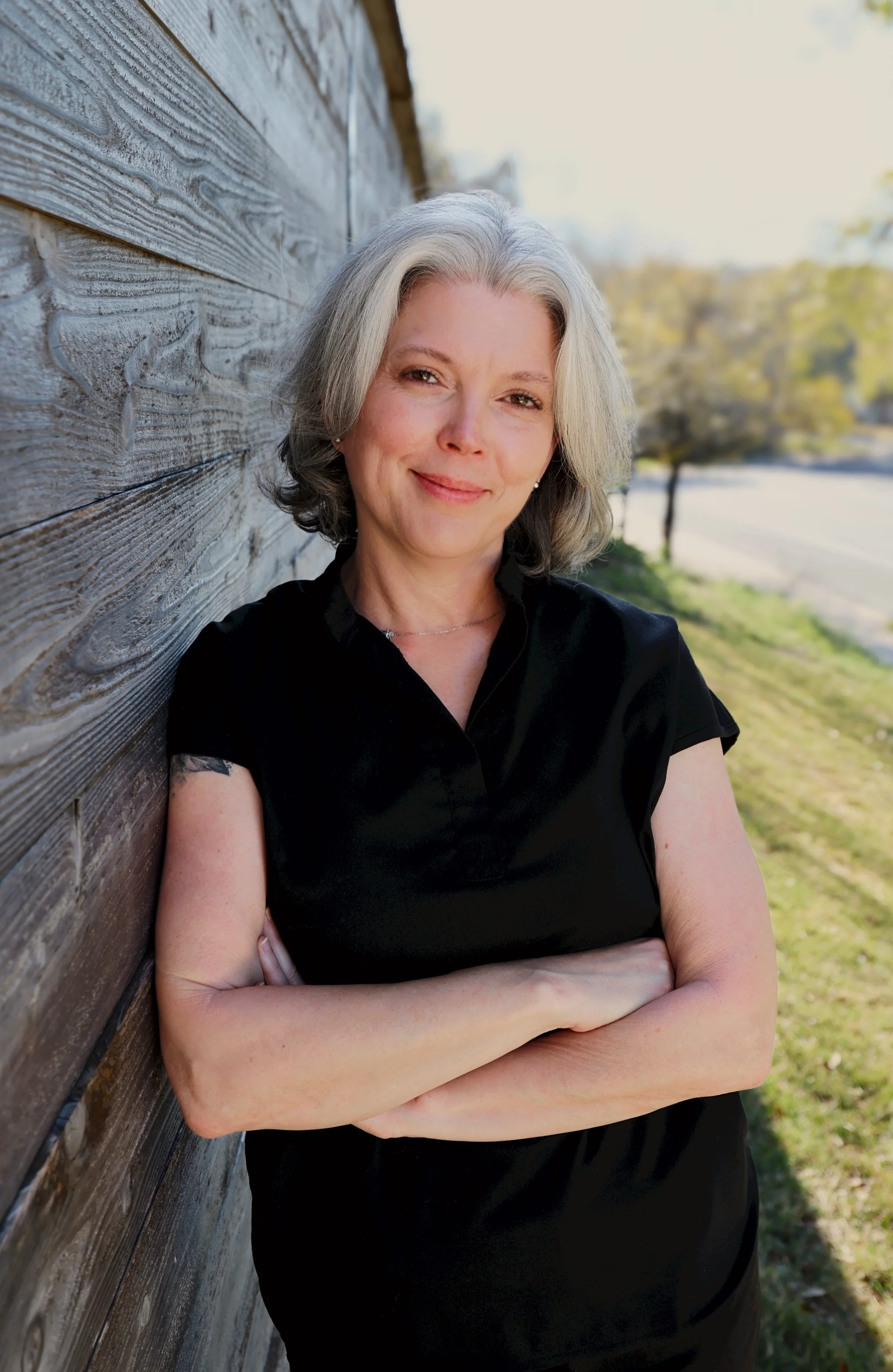
This chapter of my life feels like coming home. I first set out toward conventional medical school, not yet aware that other ways of practicing medicine existed. While working in hospitals during undergrad, I began to question whether that model of care reflected my values or my understanding of what healing could be. A new path led me to real estate and a busy family life, until caring for a sick parent reminded me what my true calling was: healthcare.
Having been a patient of Traditional Chinese Medicine for years, it was clear that TCM was my bridge back to medicine on my own terms. I chose an integrative program because I believe the best healthcare is at the intersection of ancient wisdom and modern science. I have a dual Master’s Degree in Acupuncture & Herbal Medicine, I’m board-certified in acupuncture and herbal medicine by the Texas Medical Board, and I’m a Diplomate of the National Certification Board for Acupuncture & Herbal Medicine (NCBAHM).
My Approach
I treat people, not conditions, and I meet patients where they are, not where they think they should be. I often describe TCM as a form of slow medicine — not because it lacks effectiveness, but because it works thoughtfully and deliberately, in rhythm with the body, supporting lasting change over time. It is not a rejection of modern medicine, but a complementary path that honors both ancient wisdom and evidence-informed care.
I have lived the long nights, the high-pressure jobs, the stress of a fast-paced world. I understand how life can pull us out of our center and how confusing it can be to find the way back. My goal is to bring clarity, calm, and direction through an honest practice rooted in ancient medicine. I want patients to feel seen, supported, and guided — not rushed or lectured. Healing is not about perfection. It is about returning to balance, one step at a time.
The Meaning Behind Mulberry
My practice is named after something deeply personal. My great-grandmother was a healer in her own quiet way, often concocting remedies for us from the plants she tended. She had a large mulberry tree in her yard and used it for everything from jams and wine to homemade cough syrup. Years later, I found myself working on Mulberry Street in New York and eventually even named my first business with my husband and closest friends after the tree I grew up calling “Bird Tree”.
During my studies, I learned that the mulberry tree, known as “sang” in Chinese pinyin, is one of the most generous plants in Chinese herbal medicine. Every part is useful - leaves, bark, twigs, berries, the mistletoe that grows on it, and even the silkworm that depends on it. The symbolism felt like a mirror to what healing should be: resourceful, patient, grounded, and full of possibility. When I imagined what my future clinic would become, I kept returning to that tree and to my Maw Maw’s hands. Full circle, again.